


Luxury Real Estate Buying Tips: Comprehensive FAQ on Common Questions
Navigating the luxury home buying process can be both exciting and daunting. With high stakes involved, potential buyers often have numerous questions about the steps, financing options, legal considerations, and negotiation strategies. This comprehensive FAQ aims to address common inquiries related to purchasing luxury properties, providing valuable insights for prospective buyers. Understanding the intricacies of the luxury real estate market is essential for making informed decisions. This article will cover essential steps in the buying process, financing options, legal considerations, negotiation tactics, current market trends, and renting luxury homes.
What Are the Essential Steps in the Luxury Home Buying Process?
The luxury home buying process involves several critical steps that ensure a smooth transaction. Initially, buyers should conduct thorough research to identify their preferences and budget. Engaging a qualified real estate advisor is crucial, as they can provide insights into the luxury market and assist in finding suitable properties. Understanding the buying process, including making offers and closing deals, is essential for a successful purchase.
Following these steps can help streamline the luxury home buying experience:
- Initial Research: Determine your budget and desired features in a luxury home.
- Engaging a Real Estate Advisor: A knowledgeable advisor can guide you through the market and help identify properties that meet your criteria.
- Understanding the Buying Process: Familiarize yourself with the steps involved, from making an offer to closing the deal.
How Do I Start Searching for Luxury Properties?
Starting your search for luxury properties involves a strategic approach. Begin by visiting reputable real estate websites that specialize in luxury listings. Exploring curated listings can help you identify potential homes that align with your preferences. Additionally, contacting a luxury real estate advisor can provide personalized assistance and access to exclusive listings.
What Should I Expect During Property Viewings and Inspections?
During property viewings and inspections, buyers should be prepared for a thorough evaluation of the home. It's essential to look for key features such as the quality of construction, layout, and any potential issues that may require attention. Engaging a professional inspector can provide valuable insights into the property's condition, ensuring that you make an informed decision.
Which Financing Options Are Available for Luxury Home Purchases?
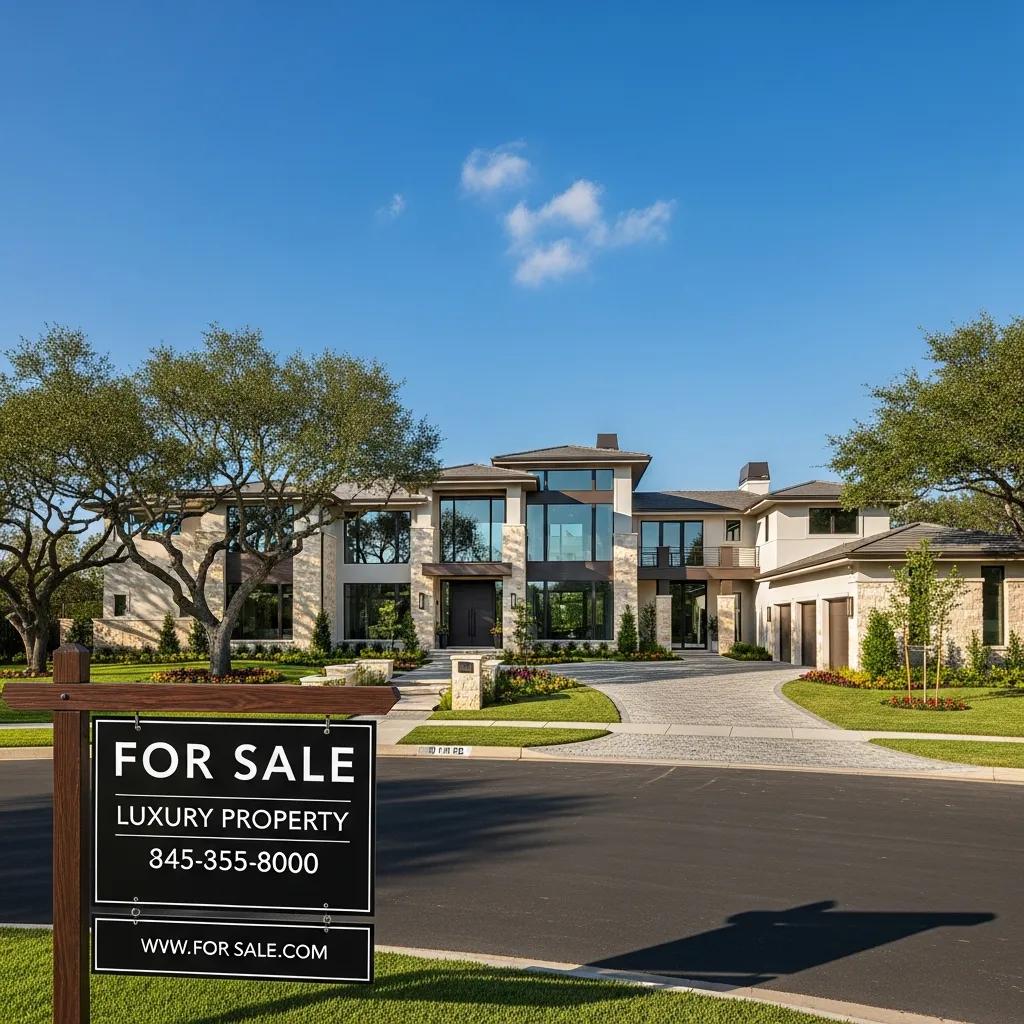
Financing a luxury home purchase involves various options tailored to high-value properties. Buyers should explore different financing avenues, including conventional loans, jumbo mortgages, and cash purchases. Understanding the nuances of each option can help buyers choose the best fit for their financial situation.
To further clarify the distinctions between various mortgage types, it's important to understand the precise definitions of conforming and nonconforming loans.
Understanding Jumbo & Nonconforming Mortgage Definitions
Jumbo loans have loan amounts in excess of the single-family conforming loan limits. A conforming mortgage is one that meets GSE funding criteria. Loans that do not meet GSE standards, such as jumbo loans, are called nonconforming.
Trends in mortgage origination and servicing: Nonbanks in the post-crisis period, 2019
What Are Jumbo Mortgages and How Do They Differ?
Jumbo mortgages are specialized loans designed for properties that exceed the conforming loan limits set by government-sponsored enterprises. Unlike conventional loans, jumbo mortgages typically require stricter credit standards and larger down payments. Understanding these differences is crucial for buyers considering high-value properties.
Beyond these fundamental differences, the approval process for jumbo and conforming mortgages involves distinct and often complex underwriting criteria set by government-sponsored enterprises.
Jumbo vs. Conforming Mortgages: Underwriting Criteria
differences between jumbo and conforming mortgages. The GSEs have established complex underwriting criteria to determine whether the application was approved or denied.
Overview of US mortgage markets, A Lehnert, 2006
How Can I Prepare for Luxury Home Financing Approval?
Preparing for luxury home financing approval involves several key steps. Buyers should gather necessary documentation, including income statements, tax returns, and credit reports. Additionally, maintaining a strong credit score is essential, as lenders often have higher requirements for luxury home financing.
What Legal Considerations Should I Know When Buying a Luxury Home?
When purchasing a luxury home, understanding the legal aspects is vital. Buyers should be aware of the ownership structure, including whether the property will be held in an individual name or through a legal entity. Additionally, reviewing local regulations and understanding the importance of the deed and title can prevent potential legal issues.
Which Legal Checks Are Crucial Before Closing?
Before finalizing a luxury home purchase, several legal checks are essential. Conducting a title search ensures that the property is free of liens or encumbrances. Additionally, reviewing contracts and understanding the terms of the sale can help avoid disputes later on.
How Do Closing Costs and Taxes Affect Luxury Home Purchases?
Closing costs and taxes can significantly impact the overall cost of purchasing a luxury home. Buyers should be prepared for various fees, including title insurance, appraisal fees, and property taxes. Understanding these costs upfront can help buyers budget effectively and avoid surprises during the closing process.
How Can I Effectively Negotiate When Buying High-End Properties?

Negotiating for luxury properties requires a strategic approach. Buyers should be aware of current market conditions and leverage this knowledge during negotiations. Building rapport with sellers can also enhance negotiation outcomes, as personal connections may lead to more favorable terms.
What Are Top Negotiation Strategies for Luxury Home Buyers?
Effective negotiation strategies for luxury home buyers include:
- Understanding Market Conditions: Researching current trends can provide leverage during negotiations.
- Building Rapport with Sellers: Establishing a personal connection can create a more favorable negotiation environment.
- Being Prepared to Walk Away: Demonstrating that you have other options can strengthen your negotiating position.
These strategies are crucial not only for purchasing but also for navigating the complexities of luxury rental agreements, where specific terms and accommodations often require careful negotiation.
Negotiation Strategies for Luxury Home Buyers & Rentals
different negotiation strategies and must frequently negotiate any issues that may arise in the negotiation with any potential buyer. This includes discussing "accommodations in a luxury rental property for Tom Jones" or other specific terms.
Case studies: the ways to achieve more effective negotiations, RA Pistone, 2007
How Do Market Trends Influence Negotiation Power?
Market trends play a crucial role in determining negotiation power. In a seller's market, where demand exceeds supply, buyers may have less leverage. Conversely, in a buyer's market, where inventory is high, buyers can negotiate more favorable terms. Understanding these dynamics is essential for effective negotiation.
What Are Current Luxury Property Market Trends for 2025-2026?
As we look ahead to 2025-2026, several trends are shaping the luxury property market. Rising demand in specific locations is driving prices upward, making it essential for buyers to stay informed about market dynamics.
Which Locations Are Experiencing Rising Demand?
Certain locations are witnessing increased demand for luxury homes, including:
- Atlantic Beach Country Club: Known for its exclusive amenities and coastal lifestyle.
- Tiffany-by-the-Sea: A sought-after area with stunning ocean views and upscale properties.
- Beaches Town Center: A vibrant community with a mix of luxury homes and convenient access to local attractions.
How Do Market Trends Impact Pricing and Availability?
Market trends significantly influence pricing and availability in the luxury real estate sector. As demand rises, prices may increase, making it crucial for buyers to act swiftly. Additionally, understanding how renovations and property improvements can affect market value is essential for making informed investment decisions.
What Should I Know About Renting Luxury Homes?
Renting luxury homes presents unique considerations compared to purchasing. Renters should be aware of the differences in ownership types, rental rules, and market dynamics that can impact their rental experience.
How Does Renting Luxury Properties Differ from Buying?
Renting luxury properties offers flexibility but lacks the long-term investment benefits of ownership. Renters should weigh the pros and cons of renting versus buying, considering factors such as cost, commitment, and lifestyle preferences.
What Questions Should I Ask When Considering Luxury Home Rentals?
When evaluating luxury home rentals, consider asking the following questions:
- What is the minimum rental duration? Understanding lease terms is crucial for planning.
- Are there any insurance requirements? Clarifying insurance needs can prevent potential liabilities.
- What amenities are included? Knowing what is provided can help assess the overall value of the rental.