

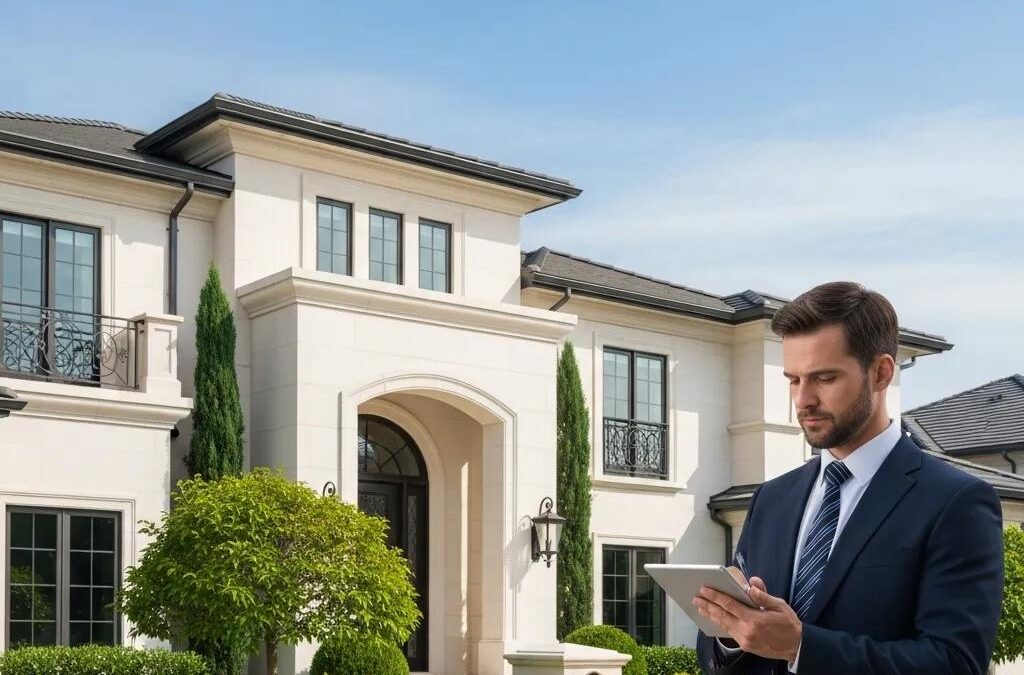
Mastering Luxury Home Inspections: A Comprehensive Buyer’s Guide
When investing in luxury real estate, ensuring the quality of the property through thorough "inspections" is paramount. A luxury home inspection not only assesses the physical condition of the property but also evaluates its unique features, such as smart home technology and historical significance. This comprehensive guide will delve into the essential components of luxury home inspections, the importance of due diligence, and how to effectively utilize inspection checklists. By understanding these aspects, buyers can make informed decisions and protect their investments in high-end properties.
What Does a Luxury Home Inspection Cover?
A luxury home inspection encompasses a wide range of evaluations tailored to high-end properties. These inspections are designed to identify potential issues that could affect the property's value and livability.
Key Components of High-End Property Evaluations
High-end property evaluations focus on several critical aspects, including:
- Location and Accessibility: Assessing the property's proximity to amenities and its accessibility can significantly impact its value.
- Market Tiers and Property Condition: Understanding the market tier helps in evaluating the property's condition relative to similar properties in the area.
- Community Governance and Insurance Considerations: Evaluating community regulations and insurance requirements is essential for luxury properties, as they often have unique stipulations.
These components ensure that buyers are fully aware of the property's condition and its implications for future value.
Integration of Smart Home and Historic Property Assessments

Modern luxury homes often incorporate smart technology, which requires specialized assessments. The integration of smart home technology into inspections involves:
- Importance of Smart Home Technology: Evaluating the functionality and security of smart systems is crucial for ensuring they operate effectively.
- Challenges in Assessing Historic Properties: Inspecting historic homes presents unique challenges, such as compliance with preservation regulations and understanding the implications of renovations.
By addressing these factors, buyers can ensure that their luxury home meets both modern standards and historical integrity.
How to Use a Luxury Home Inspection Checklist Effectively?
A well-structured inspection checklist is an invaluable tool for luxury home buyers. It helps ensure that no critical areas are overlooked during the inspection process.
Detailed Inspection Items for Structural and Systems Integrity
Key items to include in a luxury home inspection checklist are:
- Structural Integrity Checks: Inspecting the foundation, walls, and roof for any signs of damage or wear.
- Systems Integrity Evaluations: Assessing plumbing, electrical, and HVAC systems to ensure they are functioning correctly and meet current codes.
These detailed checks provide a comprehensive overview of the property's condition, allowing buyers to make informed decisions.
Environmental and Technology-Enabled Inspection Tools

Utilizing advanced tools can enhance the inspection process. Some effective tools include:
- Drones for Aerial Inspections: Drones can provide a unique perspective on the property's roof and surrounding areas, identifying potential issues that may not be visible from the ground.
- Advanced Imaging Techniques: Thermal imaging can detect hidden issues such as insulation problems or moisture intrusion, ensuring a thorough evaluation.
These technology-enabled tools improve the accuracy and efficiency of luxury home inspections.
Why Is Due Diligence Critical in High-End Real Estate Transactions?
Due diligence is a vital step in the luxury real estate buying process. It involves thoroughly investigating the property to uncover any potential issues that could affect the buyer's investment.
Legal and Financial Implications of Thorough Property Evaluation
Conducting a thorough property evaluation has significant legal and financial implications, including:
- Understanding Zoning Laws: Buyers must be aware of zoning regulations that could impact property use and future development.
- Financial Implications of Property Evaluations: A comprehensive evaluation can reveal hidden costs associated with repairs or renovations, allowing buyers to budget accordingly.
These considerations are essential for protecting the buyer's investment and ensuring compliance with local regulations.
Role of Certified Inspectors in Risk Assessment and Buyer Protection
Certified inspectors play a crucial role in the due diligence process. Their expertise helps buyers navigate potential risks by:
- Importance of Certified Inspectors: Certified inspectors have the training and experience necessary to identify issues that may not be apparent to untrained eyes.
- Risk Management Strategies: They provide buyers with actionable insights and recommendations, helping to mitigate risks associated with the purchase.
Engaging a certified inspector is a proactive step in safeguarding the buyer's interests.
What Should a Residential Property Condition Report Include?
A residential property condition report is a critical document that summarizes the findings of the inspection. It should include essential elements that inform the buyer's decision-making process.
Essential Elements and Findings in Condition Reporting
Key elements to include in a condition report are:
- Property Condition Details: A detailed description of the property's physical condition, including any defects or areas needing repair.
- Ownership Structure and Community Features: Details about the property's ownership and community amenities can influence buyer decisions.
These elements ensure that buyers have a comprehensive understanding of the property's context and condition.
How Reports Facilitate Confident Luxury Property Purchases
A well-prepared condition report aids in decision-making by:
- Insights into Market Dynamics: Providing data on market trends helps buyers understand the property's potential for appreciation.
- Highlighting Risks and Opportunities: Identifying potential issues allows buyers to negotiate repairs or price adjustments confidently.
This transparency fosters trust and confidence in the purchasing process.
How to Select Professional Home Inspection Services for Luxury Properties?
Choosing the right home inspection service is crucial for luxury property buyers. The selection process should focus on qualifications and service offerings.
Credentials and Certifications to Look For in Inspectors
When selecting an inspector, buyers should consider:
- Importance of Certifications: Look for inspectors with recognized certifications that demonstrate their expertise in luxury home inspections.
- Recognized Credentials in the Industry: Membership in professional organizations can indicate a commitment to ongoing education and best practices.
These credentials ensure that buyers are working with qualified professionals who understand the nuances of luxury properties.
Evaluating Service Offerings and Client Testimonials
Buyers should also evaluate the service offerings of potential inspectors by:
- Importance of Client Testimonials: Reading reviews and testimonials can provide insight into the inspector's reliability and thoroughness.
- Evaluating Service Offerings: Consider the range of services offered, including specialized inspections for smart homes or historic properties.
This evaluation process helps buyers select an inspector who meets their specific needs.
What Are the Latest Technologies Enhancing Luxury Home Inspections?
The field of home inspections is evolving with the integration of new technologies that enhance the evaluation process.
Use of Drone Surveys and Advanced Imaging Techniques
Drones and advanced imaging techniques are revolutionizing luxury home inspections by:
- Advantages of Drone Surveys: Drones can quickly and safely assess hard-to-reach areas, providing comprehensive aerial views of the property.
- Advanced Imaging Techniques: Technologies such as thermal imaging can identify issues like heat loss or moisture intrusion that may not be visible during a standard inspection.
These innovations improve the accuracy and efficiency of inspections, ensuring that buyers receive a thorough evaluation.
Benefits of Technology in Improving Inspection Accuracy and Efficiency
The incorporation of technology in inspections offers several benefits, including:
- Improved Accuracy in Assessments: Advanced tools provide precise data that can lead to more informed decision-making.
- Efficiency in Inspection Processes: Technology streamlines the inspection process, allowing for quicker turnaround times and more detailed reports.
By leveraging these technologies, buyers can ensure they are making well-informed decisions regarding their luxury property investments.