

2026 National Luxury Real Estate Market Forecasts and Buyer Insights
The luxury real estate market is undergoing significant transformations, driven by evolving buyer preferences and economic factors. As we look ahead to 2026, understanding these trends is crucial for stakeholders in the industry. This article delves into the current national luxury home market forecasts, highlighting key insights into price changes, economic influences, and emerging buyer demographics. Readers will gain a comprehensive overview of the luxury real estate landscape, including the cities leading in high-end property sales and the trends shaping rental demand. By exploring these dynamics, we aim to equip investors and buyers with the knowledge needed to navigate this competitive market effectively.
What Are the Current National Luxury Home Market Forecasts for 2026?
The luxury home market is poised for notable changes in 2026, influenced by various economic and social factors. Current forecasts suggest a moderate increase in luxury home prices, driven by demand from affluent buyers and limited inventory. As the market evolves, understanding the underlying factors that contribute to these trends is essential for making informed decisions.
How Are Luxury Real Estate Prices Expected to Change Nationwide?
Luxury real estate prices are expected to rise moderately across the nation, with projections indicating an increase of approximately 3-5% annually. This upward trend is largely attributed to the growing demand for high-end properties in desirable locations. Regional variations will also play a role, with some areas experiencing sharper increases due to local economic conditions and buyer interest.
Which Economic Factors Influence Luxury Property Market Growth?
Several economic factors are influencing the growth of the luxury property market. Key indicators include:
- Scarcity of Inventory: Limited availability of luxury homes drives competition and increases prices.
- Location and Lifestyle: Buyers are increasingly prioritizing properties in prime locations that offer desirable amenities and lifestyle options.
- Interest Rates: Fluctuations in interest rates can impact buyer purchasing power, affecting overall market dynamics.
Which Cities Lead in High-End Property Sales Trends?
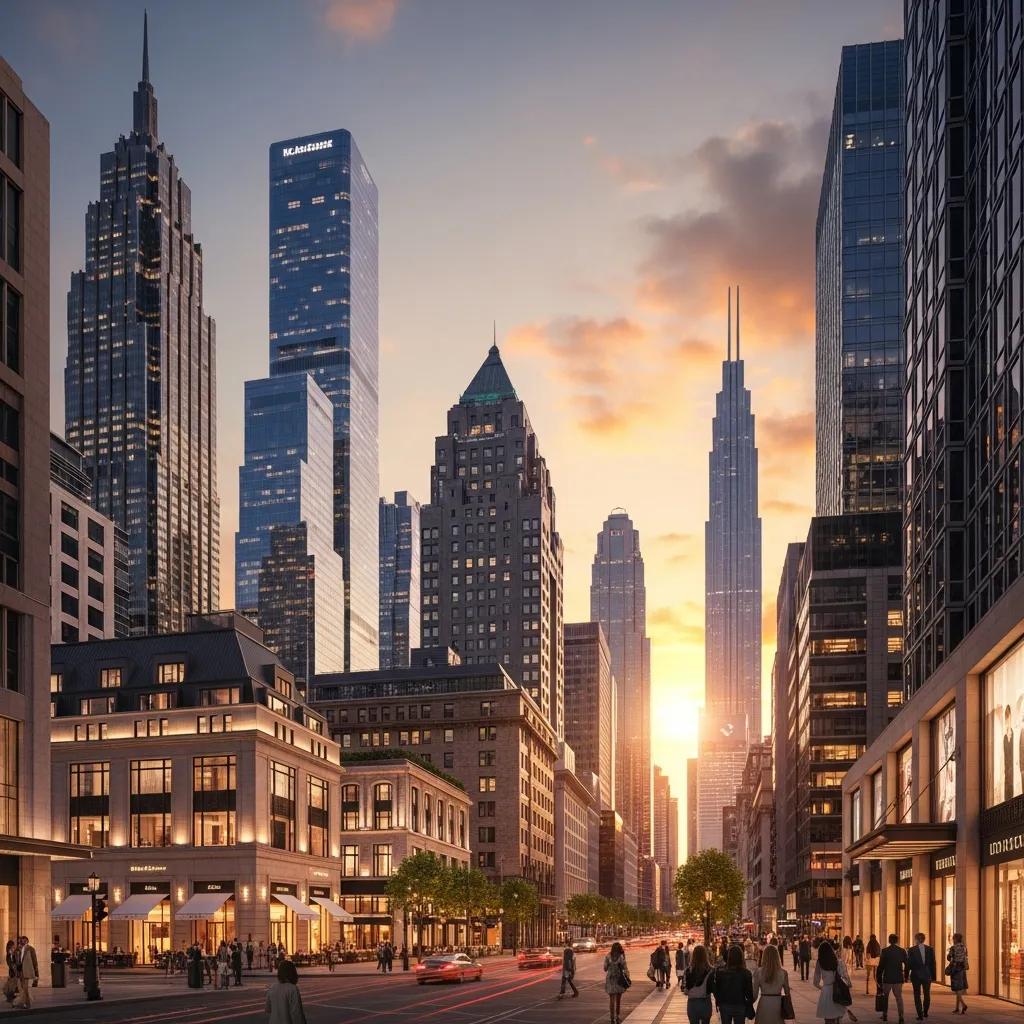
Certain cities are emerging as leaders in luxury property sales, reflecting regional preferences and economic conditions. Understanding these trends can provide valuable insights for potential buyers and investors.
What Are the Regional Differences in Luxury Home Sales Across the U.S.?
Regional differences in luxury home sales are pronounced, with cities like New York, Los Angeles, Miami, and San Francisco consistently ranking among the top markets. Each city presents unique characteristics that attract affluent buyers, such as cultural offerings, climate, and investment potential.
How Do Buyer Demographics Vary by Luxury Market Region?
Buyer demographics in the luxury market vary significantly by region. In coastal cities, for instance, buyers often include high-net-worth individuals seeking vacation homes, while urban centers may attract professionals looking for primary residences. Understanding these demographic trends is crucial for tailoring marketing strategies and investment approaches.
What Are the Emerging Trends in Luxury Property Rental Demand?
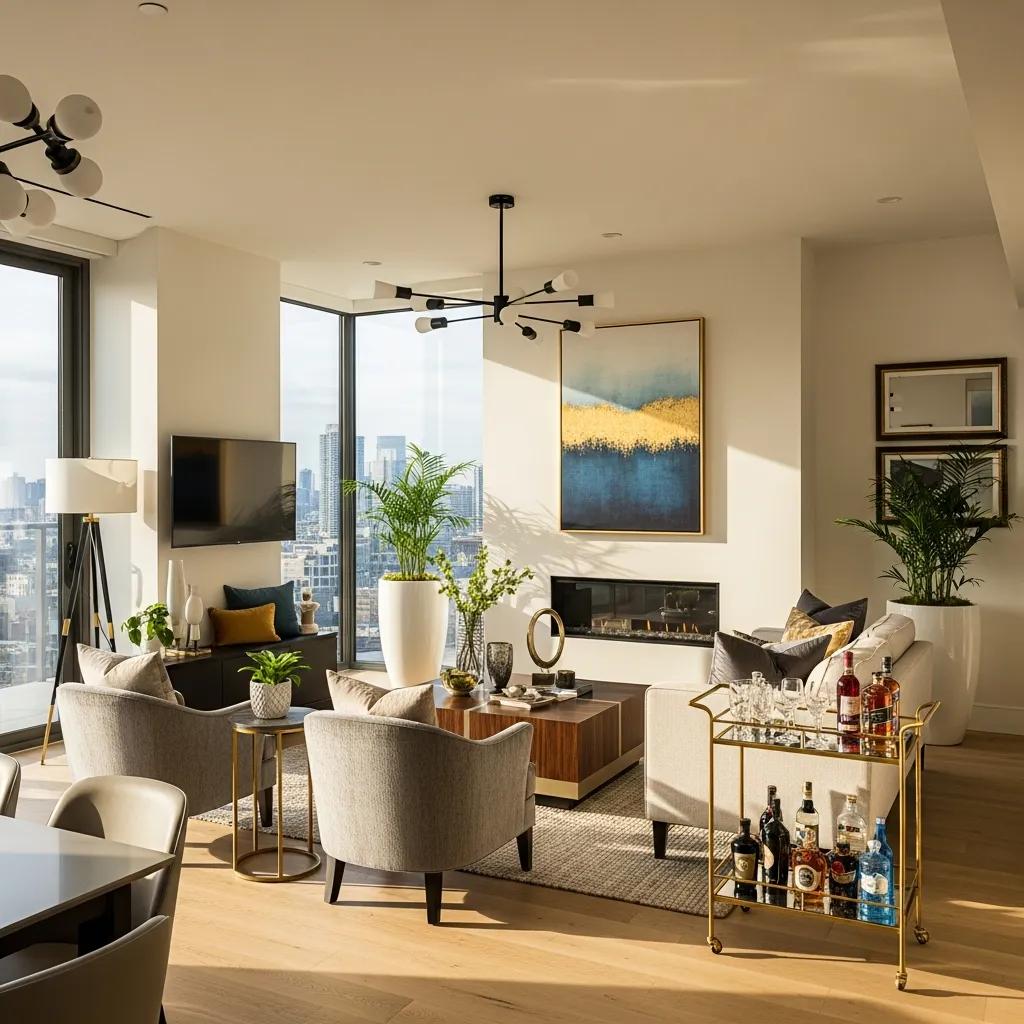
The luxury rental market is experiencing a steady demand, driven by changing lifestyle preferences and economic factors. This section explores how rental demand is shaping the luxury real estate landscape.
How Is Rental Demand Shaping Luxury Real Estate Markets Nationally?
Rental demand is influencing luxury real estate markets by stabilizing prices and attracting investors. As more individuals opt for renting over buying, particularly in urban areas, property owners are adapting their strategies to meet this demand. This shift is leading to increased investment in high-end rental properties.
Which Luxury Rental Markets Offer the Best Investment Opportunities?
Several luxury rental markets are emerging as prime investment opportunities, including:
- Miami: Known for its vibrant lifestyle and strong tourism, Miami offers attractive rental yields.
- New York City: The demand for luxury rentals remains high, driven by a diverse population and robust job market.
- Los Angeles: With its entertainment industry and desirable climate, LA continues to attract affluent renters.
How Do Premium Real Estate Investment Strategies Adapt to Market Trends?
Investors in luxury real estate must adapt their strategies to align with current market trends. This section discusses key investment yields and data-driven decision-making.
What Are the Key Investment Yields in Luxury Real Estate for 2026?
Investment yields in luxury real estate are projected to remain moderate, with average returns ranging from 4-6%. Factors influencing these yields include location, property type, and market conditions. Investors should focus on properties that offer unique features and amenities to maximize returns.
How Can Investors Leverage Market Data for High-End Property Decisions?
Leveraging market data is essential for making informed investment decisions. Investors can utilize analytics to identify emerging trends, assess property values, and understand buyer preferences. By staying informed, investors can position themselves strategically within the luxury market.
What Buyer Profiles Define the National Luxury Real Estate Market?
Understanding buyer profiles is crucial for effectively targeting marketing efforts and investment strategies. This section explores the characteristics of affluent buyers in the luxury real estate market.
Who Are the Affluent Buyers Driving Luxury Home Sales?
Affluent buyers in the luxury market typically include high-net-worth individuals, successful entrepreneurs, and international investors. These buyers often seek properties that reflect their status and lifestyle, prioritizing features such as location, design, and exclusivity.
Further research highlights the significant role international demand plays in shaping luxury real estate markets globally.
International Demand's Impact on Luxury Real Estate Markets
This paper examines how the international demand for luxury consumption affects the real estate market in global hotspots. Using a unique data set of housing transactions in Paris, we
Real estate as a luxury good: Non-resident demand and property prices in Paris, D Cvijanovic, 2015
What Preferences Influence High-End Property Purchases?
Preferences among luxury buyers are shaped by various factors, including:
- Location: Proximity to amenities, schools, and cultural attractions is paramount.
- Design and Quality: High-quality finishes and unique architectural features are highly sought after.
- Community and Lifestyle: Buyers are increasingly looking for properties that offer a sense of community and lifestyle benefits.
How Are Marketing Strategies Evolving to Capture Luxury Real Estate Leads?
As the luxury real estate market evolves, so too do the marketing strategies employed to capture leads. This section examines the digital tools and techniques that are reshaping the industry.
What Digital Tools Enhance Luxury Property Inquiries and Sales?
Digital tools play a pivotal role in enhancing luxury property inquiries and sales. Key tools include:
- Virtual Tours: Allow potential buyers to explore properties remotely, increasing engagement.
- Social Media Marketing: Platforms like Instagram and Facebook are effective for showcasing luxury listings.
- Email Campaigns: Targeted email marketing can nurture leads and keep potential buyers informed.
How Do Structured Data and Visuals Improve Market Visibility?
Structured data and visuals significantly enhance market visibility for luxury properties. By utilizing high-quality images and detailed property descriptions, real estate professionals can attract more inquiries. Additionally, structured data helps improve search engine rankings, making listings more discoverable.